
How to Use Tarot Cards: From First Shuffle to Full Reading
How to use tarot cards is less about memorizing every keyword and more about building a repeatable process: prepare your deck, ask one clear question, shuffle with intention, draw into a spread, and interpret what you see in context. This guide shows how to do a tarot reading step by step, how to read tarot in a spread, and how to use the tarot for daily guidance.
Treat tarot as reflective guidance. It supports clarity and decision-making, but it is not medical, legal, or financial advice.
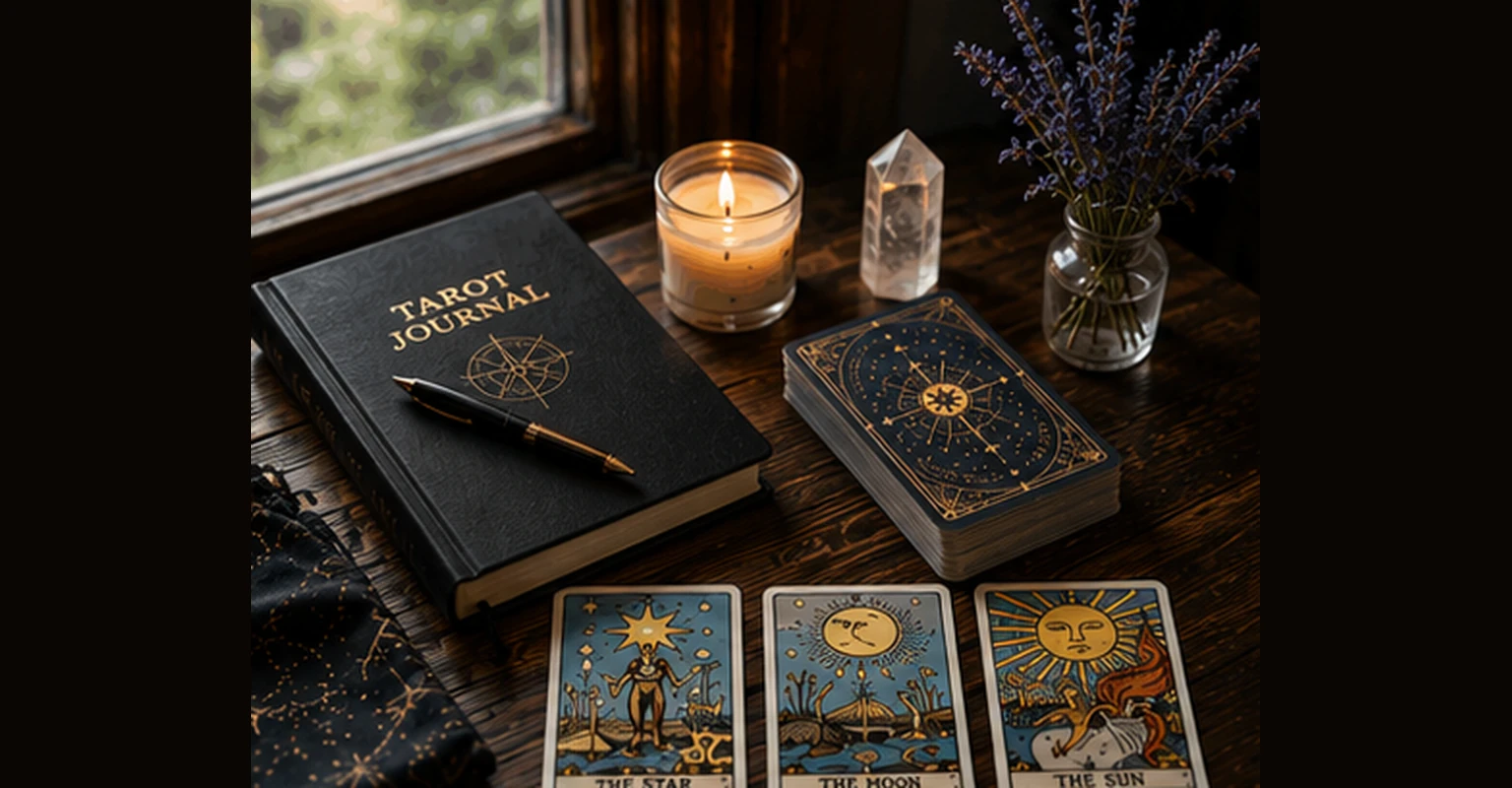
How to Use Tarot Cards: Getting Started
Before you learn how to do tarot cards in a full reading, set up a simple toolkit. You need a deck you can handle, a quiet surface, and a question you can answer with insight rather than certainty.
How to Shuffle Tarot Cards Properly
Learning how to use the tarot includes a calm, repeatable shuffle. The goal is randomization plus intention, not a perfect card-trick technique.
Different Ways to Shuffle Tarot Cards
You can overhand shuffle, riffle if the cards handle well, mix them on the table, or cut the deck into piles and restack. Choose a method that protects the cards and feels natural in your hands. Shuffle while holding the question in mind, then stop when the deck feels mixed rather than when you feel anxious. Decide in advance whether a jumped card counts as part of the draw. Consistent rules make your practice trustworthy.
How to Cleanse Tarot Cards Before Reading
Cleansing is optional psychology and ritual hygiene, not a required spell. Many readers knock the deck, fan the cards through incense smoke, place the deck with a crystal, or simply sort and reshuffle with a clear intention to begin fresh. If you inherited a deck or used it for a heavy reading, a short reset can help you mentally separate sessions. Keep cleansing brief so it supports focus instead of delaying the reading.
When to Stop Shuffling and Draw
Stop when the cards are well mixed and your question is still clear. Cut the deck once if that is part of your method, then draw the number of cards required by your spread. Do not keep reshuffling because the first card feels uncomfortable. Discomfort is often information. Place cards in position order and only reverse a card if you intentionally use reversals.
How to Do a Tarot Reading Step by Step
This is the core process for how to do a tarot reading: prepare, ask, shuffle, draw, observe, interpret, and close with one action.
How to Read Tarot Cards in a Spread
Knowing how to read tarot means reading positions, relationships between cards, and the question together—not isolated keywords.
Understanding Card Positions
Each position gives the card a job: obstacle, advice, resource, hidden influence, or likely direction. The same card can mean different things in different seats. Always name the position before the meaning. If a position is vague, rewrite the spread rather than forcing drama into every card.
Reading Card Combinations
Combinations create the narrative. Cups next to Swords may show feelings colliding with analysis. A Major Arcana next to a court card may show a life theme expressed through a person or role. Use pairwise checks in larger spreads: card 1 with card 2, then card 2 with card 3. The tarot combination calculator can help you practice pairing meanings.
Observe Before You Conclude
Say what you see: posture, direction, color, missing objects, tension between cards. Then bring in traditional meaning. Finally decide what the reading suggests you do. This three-layer method keeps how to use tarot cards grounded and reduces vague fortune-telling language.
How to Use Tarot Cards for Daily Guidance
Daily practice is the fastest way to learn how to do tarot without overwhelm. Keep it short, specific, and reviewable.
Common Questions About Using Tarot
Direct answers about how to use tarot cards, how to do a tarot reading, and how often to practice.
Continue with tarot for beginners or practice a one card tarot reading now.
Start Your First Reading Now
You now know how to use tarot cards from shuffle to synthesis. Draw a free card online, or open the beginner guide and practice with a three-card spread.