Tarot Card Meanings
Browse all 78 tarot cards in one place. Switch between Major Arcana and each Minor Arcana suit, view the card image and name, then open any single tarot card meaning page for deeper interpretation.
Use the filters below to move from the full deck into the exact card meaning you need.
Draw a Card and Get an Instant AI Reading
Not sure which card to look up? Pull one for free and let the AI interpret it for your question in seconds — no sign-up needed.
Draw a Card FreeExplore All 78 Tarot Cards by Arcana and Suit
Filter the full deck by Major Arcana, Wands, Cups, Swords, or Pentacles. Every card links directly to its own detailed tarot meaning page.
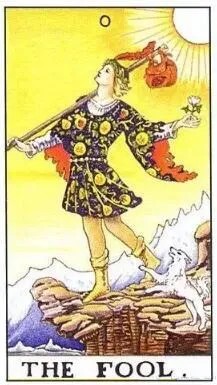
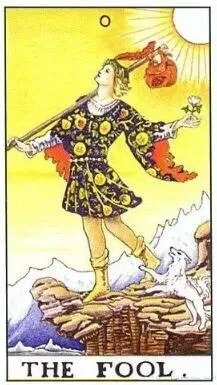
The Fool
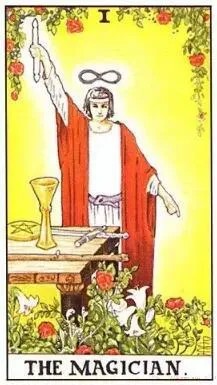
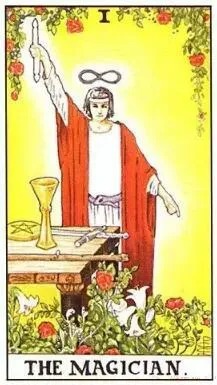
The Magician
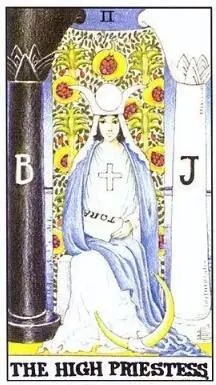
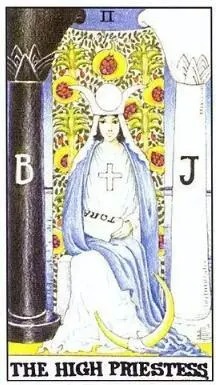
The High Priestess
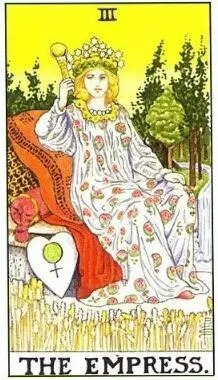
The Empress
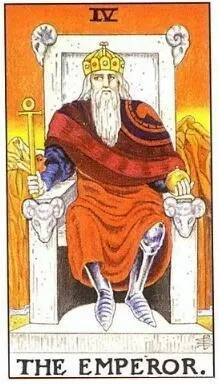
The Emperor
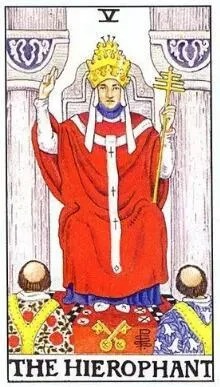
The Hierophant
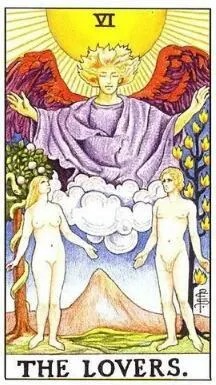
The Lovers
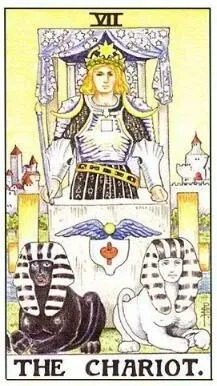
The Chariot
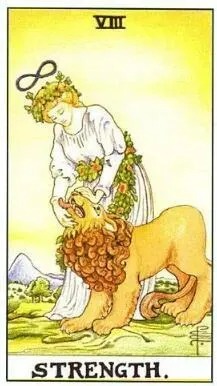
Strength
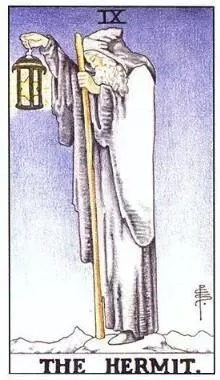
The Hermit
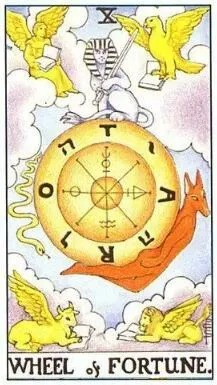
Wheel of Fortune
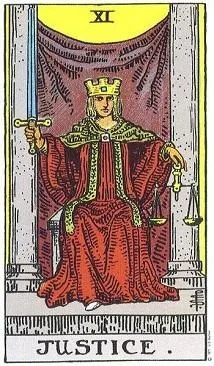
Justice
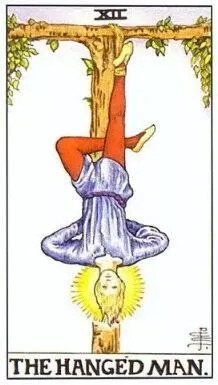
The Hanged Man
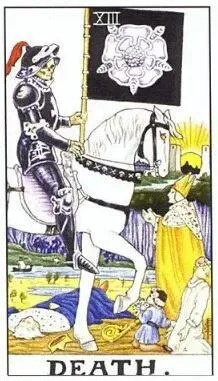
Death
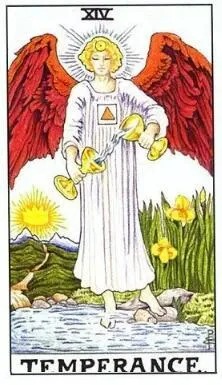
Temperance
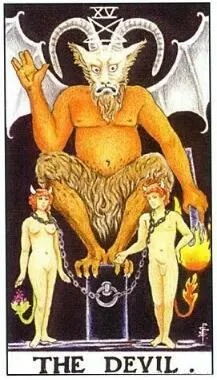
The Devil
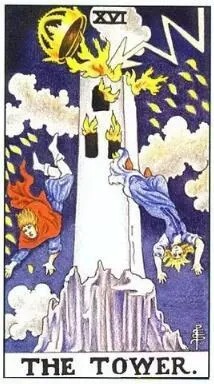
The Tower
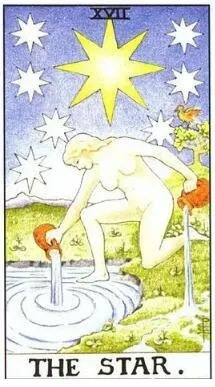
The Star
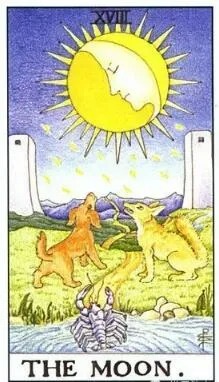
The Moon
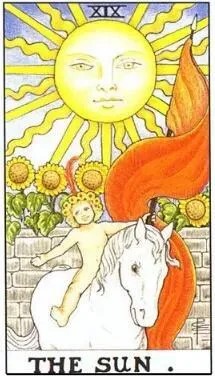
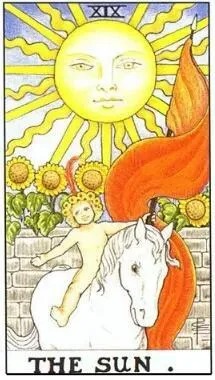
The Sun
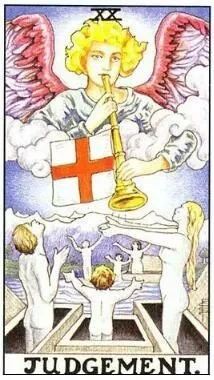
Judgement
The World
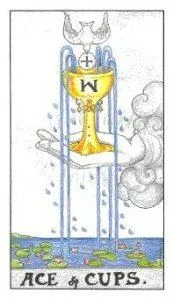
Ace of Cups
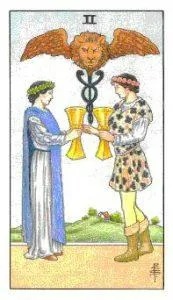
Two of Cups
Three of Cups
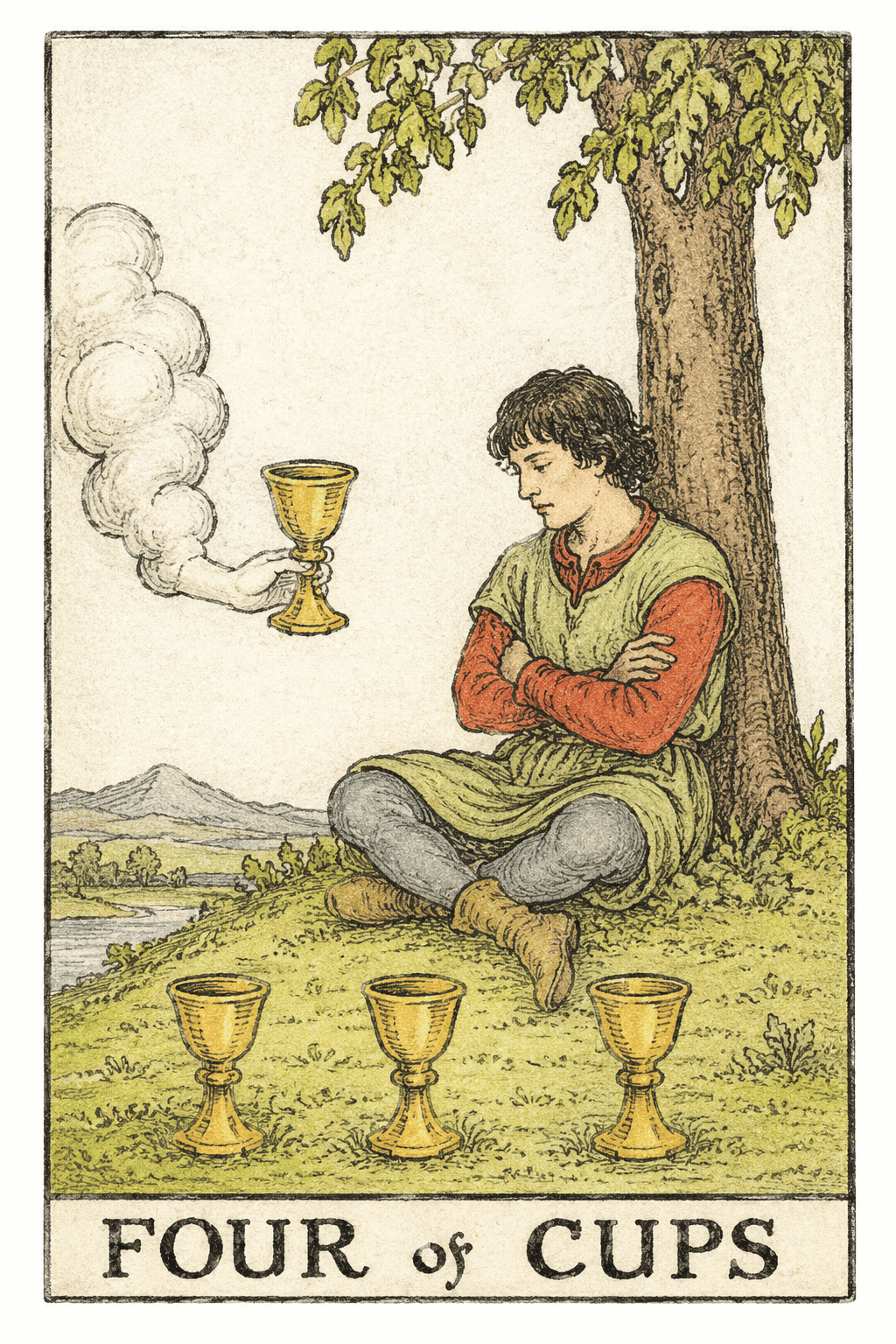
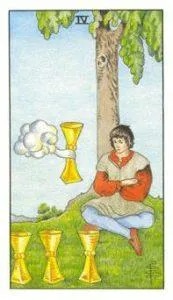
Four of Cups
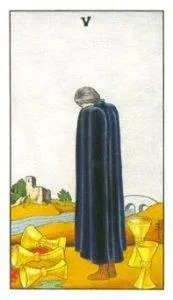
Five of Cups
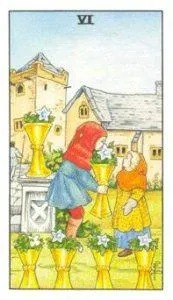
Six of Cups
Seven of Cups
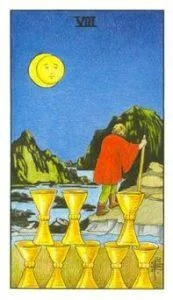
Eight of Cups
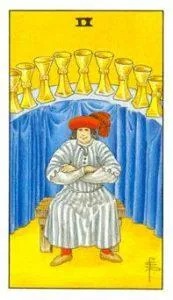
Nine of Cups
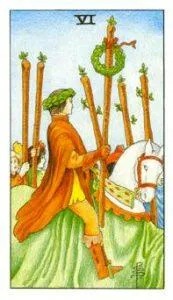
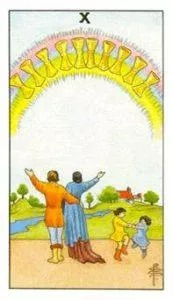
Ten of Cups
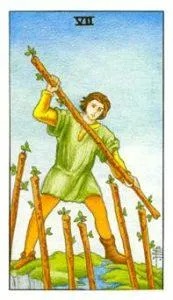
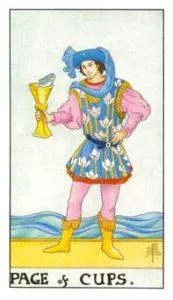
Page of Cups
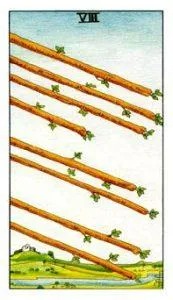
Knight of Cups
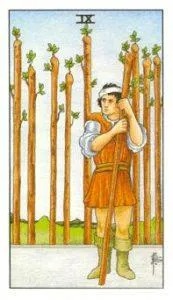
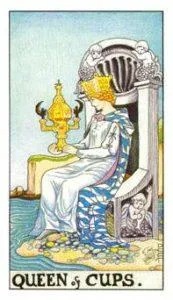
Queen of Cups
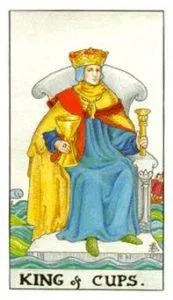
King of Cups

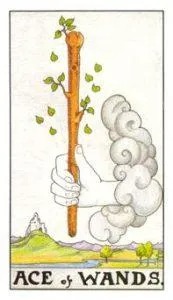
Ace of Wands
Two of Wands
Three of Wands
Four of Wands
Five of Wands
Six of Wands

Seven of Wands
Eight of Wands
Nine of Wands
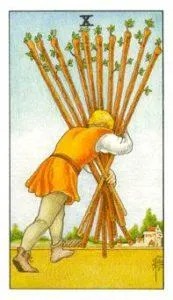
Ten of Wands

Page of Wands
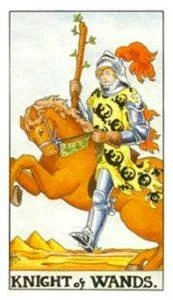
Knight of Wands
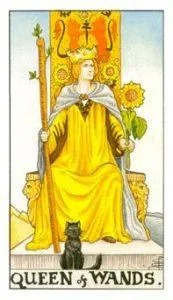
Queen of Wands
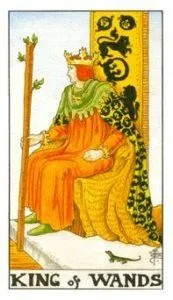
King of Wands
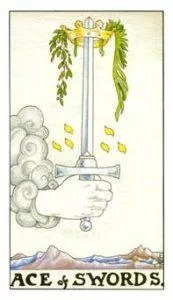
Ace of Swords

Two of Swords
Three of Swords
Four of Swords
Five of Swords
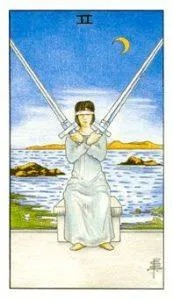
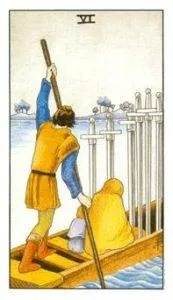
Six of Swords
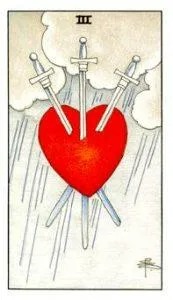
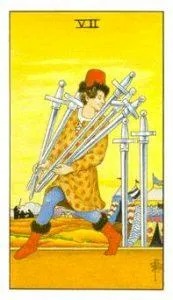
Seven of Swords
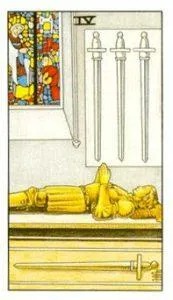
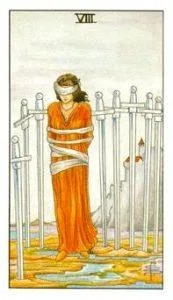
Eight of Swords
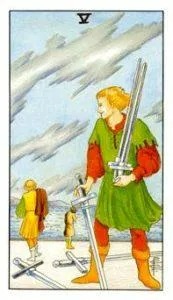
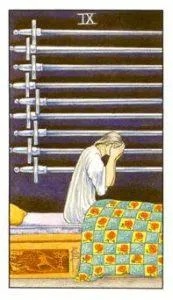
Nine of Swords
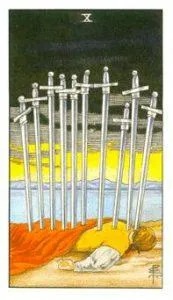
Ten of Swords
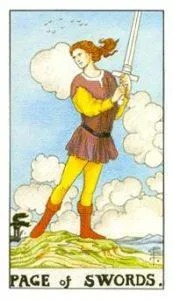
Page of Swords
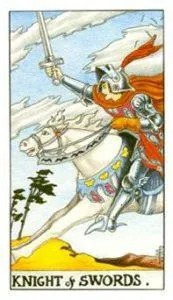
Knight of Swords
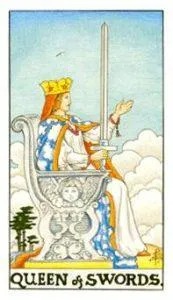
Queen of Swords
King of Swords
Ace of Pentacles
Two of Pentacles
Three of Pentacles
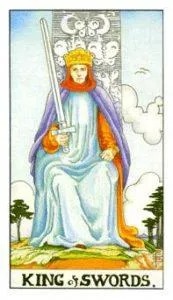
Four of Pentacles
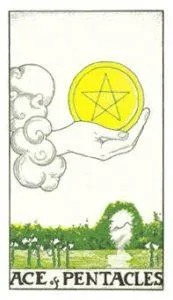
Five of Pentacles
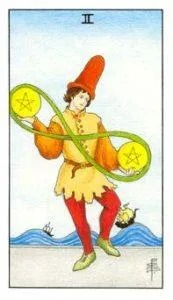
Six of Pentacles
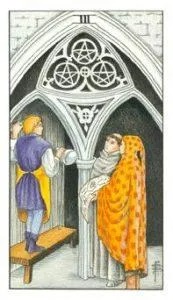
Seven of Pentacles
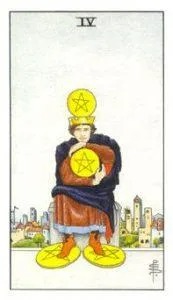
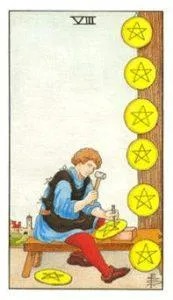
Eight of Pentacles
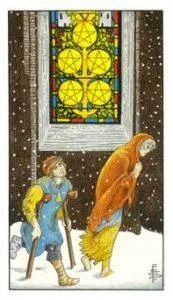
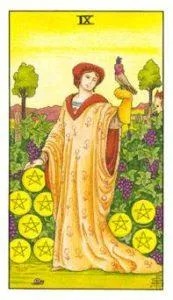
Nine of Pentacles
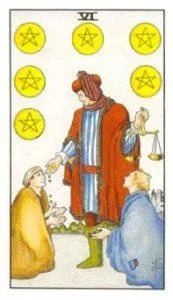
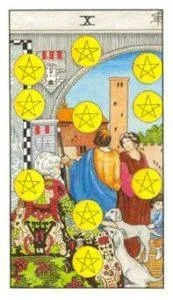
Ten of Pentacles
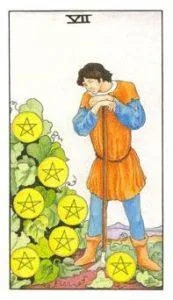
Page of Pentacles
Knight of Pentacles
Queen of Pentacles
King of Pentacles
What a Tarot Card Meaning Actually Is
A card meaning is a starting point, not a fixed definition. These four ideas are what every one of the 78 entries on this page assumes.
A card is a set of themes
Each card carries a cluster of related themes rather than one sentence. The Sun is confidence, visibility and success; the Three of Swords is heartbreak, clarity after denial and necessary honesty. Your question decides which theme is active.
Upright and reversed read differently
An upright card expresses its theme openly. Reversed, the same card usually shows that theme blocked, delayed, internalised or overdone, which is why reversal often changes the advice rather than the subject.
Major and Minor answer different sizes of question
The 22 Major Arcana describe long arcs, identity and turning points. The 56 Minor Arcana describe everyday events, moods and decisions. A reading full of Majors is about direction; a reading full of Minors is about this week.
Position and neighbours change the answer
The same card in the obstacle position and in the outcome position means something different. Read every meaning here as what the card contributes, then let spread position and the surrounding cards narrow it down.
How to Read a Tarot Card Meaning
Five steps that turn a card entry into an answer for the specific question you asked, rather than a definition you recite.
1. Name what you actually see
Before any keyword, describe the image: who is in it, which direction they face, what they hold, what the colours suggest. This keeps the reading anchored to the card instead of to your hope about the outcome.
2. Read the upright meaning first
Start with the core themes of the card as listed on this page. Say them back in your own words. If you can only repeat the entry, you have not yet connected it to the question.
3. Decide whether it is reversed and why
If the card came out reversed, check whether the theme is blocked, delayed, turned inward or simply overdone. Choose the reading that fits the facts you already know, not the most dramatic one.
4. Apply the spread position
The position is the question being asked of that card. A card in the advice position tells you what to do; the same card in the outcome position tells you what is likely to happen if nothing changes.
5. Compare with the neighbouring cards
Look for repeated suits, numbers or Major Arcana. Three Swords cards point to thinking and conflict; several Pentacles point to money and practical steps. The group usually names the real subject of the reading.
What Changes a Card's Meaning
Five things that shift what a card is saying, even when the card itself has not changed.
Continue Your Tarot Meaning Study
Use these related pages when you want to move from the full 78-card overview into a more focused tarot learning or reading path.
Free Online Tarot Reading
The complete reading with every spread and all 78 card meanings, no sign-up required.
Major ArcanaMajor Arcana Meanings
Study the twenty-two major archetypes when your reading points to a bigger life lesson or transformation.
Minor ArcanaMinor Arcana Meanings
Open the four suits when you want more grounded tarot meanings for work, relationships, decisions, and daily life.
Quick ReadingOne Card Tarot Reading
Use a single-card draw when you want to apply one tarot meaning directly to a specific question.
PracticeTarot Card Generator
Pull a random card first, then return to the meanings hub or open the matching single-card page for a deeper explanation.
AccuracyAre Tarot Cards Accurate?
Understand whether tarot readings are real, accurate, and useful.
Frequently Asked Questions About Tarot Card Meanings
Quick answers about using this 78-card meanings page.
Need a Card Before You Read the Meaning?
Draw a tarot card first, then come back to this meanings hub to open the exact single-card page you need.